
BPC-157 Dosage Guide: Protocols, Timing, and What Research Shows
Educational content. Not medical advice. Consult a qualified healthcare professional before acting on any information in this article. Full disclaimer.
Understanding BPC-157 Dosing in Research
BPC-157 (Body Protection Compound-157) is a 15-amino acid synthetic peptide that has been studied extensively in preclinical models. One of the most common questions in peptide research communities is how BPC-157 has been dosed in published studies. This guide compiles dosing information from peer-reviewed research literature to provide an educational overview.
It is critical to understand that BPC-157 has not been approved by the FDA for any indication, and the dosing information below is derived from animal studies and limited human data. This is not a prescription or recommendation.
Typical Dosage Ranges in Research
In preclinical animal studies, BPC-157 has been administered across a range of doses. When extrapolated to human-equivalent doses using standard allometric scaling, the most commonly referenced ranges in research literature are:
- Lower range: 200-250 mcg per administration
- Mid range: 250-500 mcg per administration
- Upper range: 500-750 mcg per administration
In rodent studies, researchers have typically used doses between 10 mcg/kg and 50 mcg/kg of body weight. The human-equivalent dose calculations from these studies fall within the ranges listed above for an average adult.
Frequency of Administration
Research protocols have varied in administration frequency:
- Once daily: The most common protocol in animal studies, typically administered at the same time each day
- Twice daily: Some research protocols have divided the total daily dose into two administrations, spaced approximately 12 hours apart
- Proximity to injury site: In musculoskeletal studies, subcutaneous injection near the affected area has been a common approach in animal models
Administration Routes
BPC-157 has been studied via multiple routes of administration, which is unusual for a peptide compound:
Subcutaneous Injection
The most frequently studied parenteral route. Subcutaneous injection allows for localized delivery and is the most commonly referenced method in research protocols examining musculoskeletal or localized tissue effects.
Oral Administration
One of the most notable properties of BPC-157 is its stability in gastric acid, which has allowed researchers to study oral administration. Studies examining gastrointestinal conditions have often used oral dosing. Oral bioavailability differs from injectable routes, and some researchers use higher oral doses to account for this difference.
Intramuscular and Intraperitoneal
These routes have been used in specific animal study designs but are less commonly referenced in general research protocols.
Cycle Length and Duration
Published research protocols have used BPC-157 across various durations:
- Short protocols (2-4 weeks): Common in acute injury models where researchers studied tissue healing over a defined recovery window
- Medium protocols (4-8 weeks): Used in studies examining chronic conditions or slower-healing tissue types like tendons and ligaments
- Extended protocols (8-12 weeks): Occasionally referenced in longer-term safety observation studies
It is worth noting that long-term human safety data for BPC-157 at any dose or duration is not established through controlled clinical trials.
Reconstitution Math Example
For researchers working with lyophilized BPC-157, calculating the correct concentration is essential. Here is a standard example:
- Vial size: 5 mg (5000 mcg) of lyophilized BPC-157
- Solvent added: 2 mL of bacteriostatic water
- Resulting concentration: 5000 mcg / 2 mL = 2500 mcg/mL
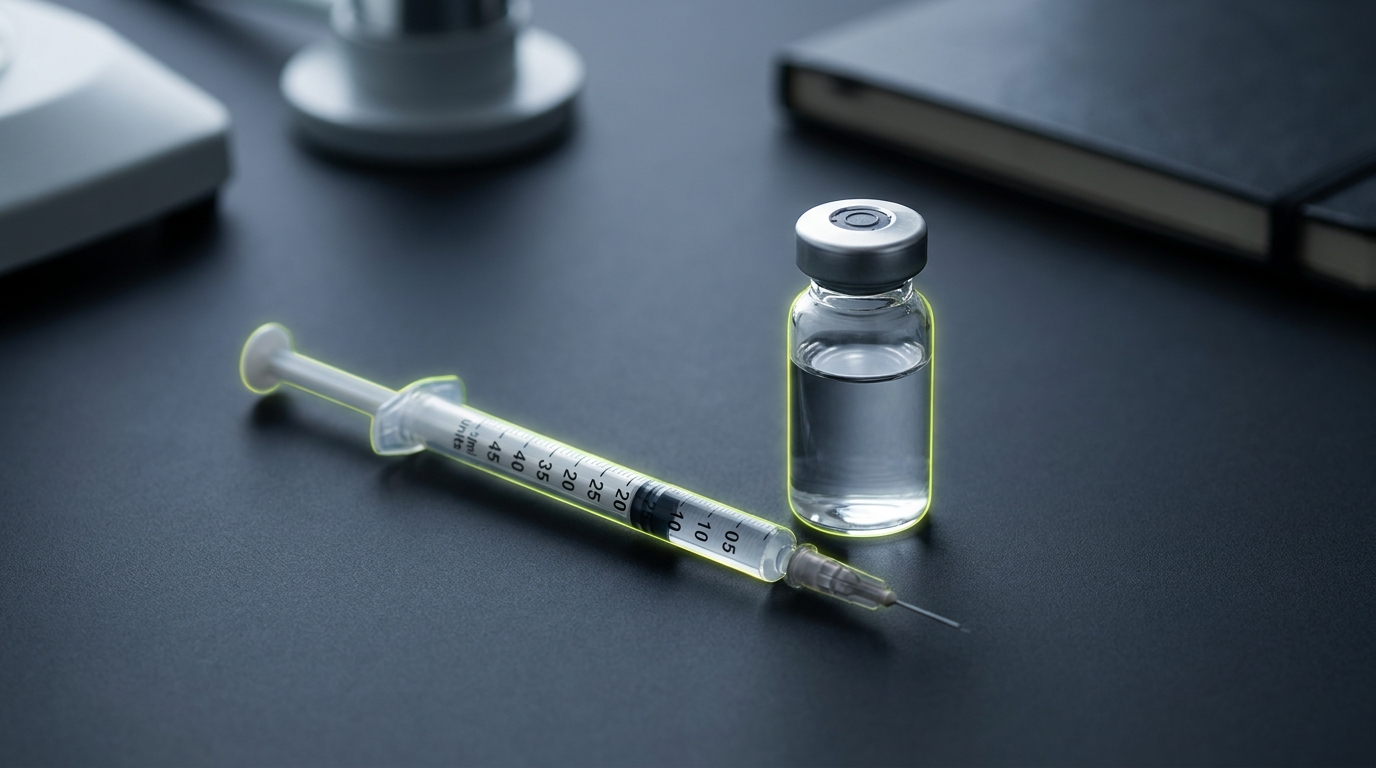
- Volume for a 250 mcg dose: 250 / 2500 = 0.1 mL (10 units on a standard insulin syringe)
- Volume for a 500 mcg dose: 500 / 2500 = 0.2 mL (20 units on a standard insulin syringe)
For help with these calculations, the Peptadex dosing calculator can simplify the math and reduce the risk of dosing errors.
Timing Considerations
Research protocols have varied in their timing recommendations:
- Morning administration: Some protocols specify morning dosing on an empty stomach, particularly for oral BPC-157
- Pre- or post-activity: In musculoskeletal research, some protocols administer BPC-157 relative to physical activity or physical therapy sessions
- Consistency: Most research protocols emphasize consistent timing from day to day to maintain stable peptide levels
Common Stacking in Research
In research literature and clinical discussion, BPC-157 is frequently studied alongside TB-500 (Thymosin Beta-4). The rationale is that these two peptides act through different mechanisms — BPC-157 through growth factor modulation and nitric oxide pathways, and TB-500 through actin regulation and cell migration. Some researchers believe the combination may provide complementary effects in tissue repair models.
What the Research Does Not Tell Us
Despite the extensive preclinical literature, significant gaps remain:
- Optimal human dosing has not been established through dose-finding clinical trials
- Long-term safety at any dose level is not characterized in humans
- Individual variation in response is expected but not well-documented
- Interactions with medications and pre-existing conditions are largely unknown
This is not medical advice. This article is for educational purposes only. BPC-157 is not approved by the FDA for any indication. Always consult a qualified healthcare professional before making any decisions about your health.
Disclaimer: The information provided on Peptadex is for educational and informational purposes only. It is not intended as medical advice, diagnosis, or treatment. Always consult a qualified healthcare professional before making any health-related decisions.
Track Your Peptide Protocols
Log doses, track cycles, and monitor your research with Protocol.
Join WaitlistAdvertisement