
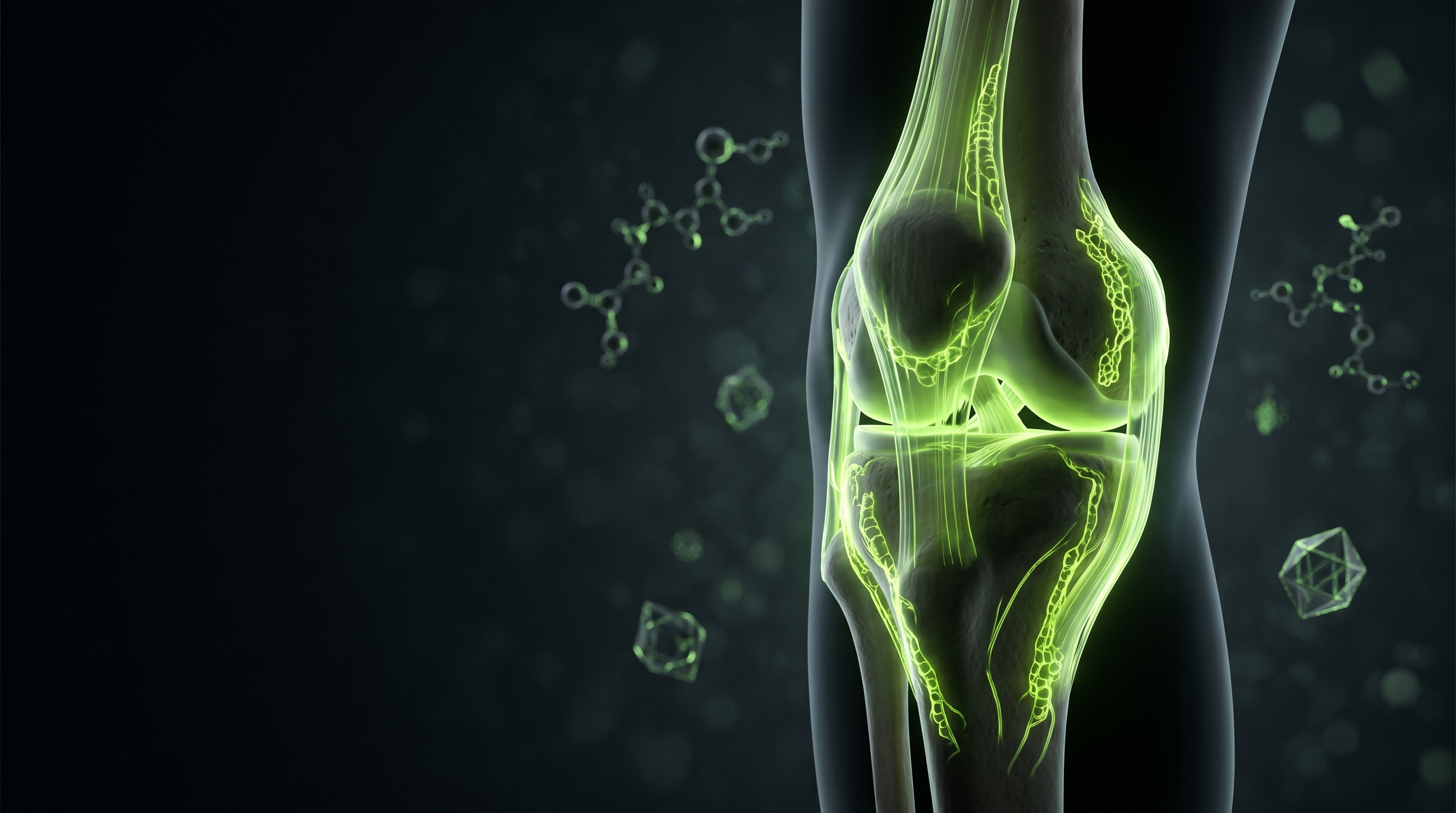
BPC-157 for Joint Recovery: What Two 2026 Systematic Reviews Actually Found | Peptadex
Educational content. Not medical advice. Consult a qualified healthcare professional before acting on any information in this article. Full disclaimer.
Why 2026 Is a Pivotal Year for BPC-157 Evidence
Two new peer-reviewed papers published in 2026 represent the most comprehensive formal synthesis of the BPC-157 research literature to date. They arrive at a consequential moment: BPC-157 is being removed from the FDA's Category 2 list effective April 22, 2026, and its clinical evidence will be formally evaluated by the Pharmacy Compounding Advisory Committee on July 23, 2026.
These reviews provide the most objective assessment currently available of whether the preclinical promise of BPC-157 translates into something clinically meaningful for joint and musculoskeletal recovery.
Key Takeaways
- Two 2026 PMC systematic reviews synthesize the musculoskeletal BPC-157 literature
- Strong preclinical (animal) evidence exists for tendon, ligament, bone, and muscle healing effects
- Only 3 published human studies on BPC-157 exist as of March 2026, all small pilot studies
- Both reviews conclude current evidence is insufficient for clinical recommendations
- The PCAC panel on July 23 will weigh this evidence for compounding approval
Review 1: "Emerging Use of BPC-157 in Orthopaedic Sports Medicine"
The first review, published in PMC (PubMed Central), examined BPC-157's research across orthopaedic and sports medicine applications. The systematic review methodology involved a structured search of the literature, inclusion/exclusion criteria, and analysis of study quality.
Key Findings on Tendon and Ligament Healing
Animal studies — predominantly in rats — showed that BPC-157 administration accelerated healing of surgically transected tendons and ligaments. Observed effects included increased fibroblast activity, improved tendon tensile strength at follow-up, and earlier vascularization of healing tissue. The review noted that these findings were consistent across multiple independent research groups over more than two decades.
Bone and Cartilage Data
BPC-157 was also studied in fracture healing models. Some studies reported accelerated bone callus formation and improved biomechanical properties of healing bone. Cartilage applications were less well characterized, with fewer studies examining intra-articular injection or direct cartilage repair mechanisms.
The Human Data Gap
The review identified only three published human studies as of its search date. All were small pilot studies. None were large randomized controlled trials. This is the central limitation: extensive and largely positive animal literature, with minimal human evidence to support or refute translation of those findings to human patients.
Review 2: "Regeneration or Risk? A Narrative Review of BPC-157 for Musculoskeletal Healing"
The second 2026 review took a broader narrative approach, placing the BPC-157 evidence in clinical context and explicitly addressing risks alongside benefits. The title signals a deliberate attempt to provide balanced analysis rather than advocacy.
Proposed Mechanisms
The review outlined several proposed mechanisms through which BPC-157 may produce its preclinical effects:
- Nitric oxide (NO) modulation: BPC-157 appears to interact with the NO signaling pathway, which influences blood vessel formation and tissue oxygenation
- Growth factor upregulation: Preclinical data suggests modulation of VEGF (vascular endothelial growth factor) and EGF (epidermal growth factor) expression
- Tendon fibroblast stimulation: In vitro and in vivo data show increased proliferation and collagen production in tendon-derived fibroblast cells
Risk Considerations
The review explicitly addressed uncertainty around oncological safety — specifically, whether BPC-157's pro-angiogenic effects could theoretically promote tumor growth in susceptible individuals. The authors noted that while no carcinogenic signal has been observed in existing research, the absence of long-term human studies means this risk is not excluded.
This is a meaningful caution. Preclinical safety data in rodents does not capture long-term or rare effects that would only be detected in large human trials.
What This Means for Athletes and Recovery-Focused Users
The evidence picture for BPC-157 in joint recovery is best described as: promising preclinical signal, insufficient human evidence. The animal research consistently suggests effects relevant to tendon, ligament, and bone healing. The absence of human trial data means no clinical dose, route, or duration can be formally recommended.
BPC-157 is often compared with TB-500 (Thymosin Beta-4 fragment) in recovery-focused research circles, as both appear to address overlapping tissue repair mechanisms through different pathways. View a side-by-side comparison at our peptide comparison tool.
Administration Routes Studied
In the preclinical literature, BPC-157 has been studied via:
- Subcutaneous injection (most common in rodent studies)
- Intramuscular injection
- Oral administration (gastric stability of BPC-157 is an unusual property for a peptide)
- Intra-articular injection (directly into joint space, fewer studies)
Oral administration studies are particularly noteworthy because most peptides are degraded in the digestive tract. BPC-157's purported oral stability is a scientifically interesting characteristic, though the evidence for systemic effects via oral route is less robust than for injectable routes.
The July 23 PCAC Decision
The PCAC will evaluate whether there is sufficient evidence to justify adding BPC-157 to the 503A bulk drug substances list, allowing licensed compounding pharmacies to prepare it with physician prescriptions. The two systematic reviews discussed here represent the highest quality published evidence available to the panel at the time of its review.
A positive PCAC vote would not constitute FDA approval. It would allow regulated access through compounding pharmacies, which would represent a substantial change from the current situation for patients seeking legal access to BPC-157.
Disclaimer: This article is for educational purposes only. BPC-157 is not FDA-approved for any therapeutic use. Nothing in this article constitutes medical advice. Consult a qualified healthcare professional before making any decisions about health or any compounds discussed here.
Disclaimer: The information provided on Peptadex is for educational and informational purposes only. It is not intended as medical advice, diagnosis, or treatment. Always consult a qualified healthcare professional before making any health-related decisions.
Track Your Peptide Protocols
Log doses, track cycles, and monitor your research with Protocol.
Join WaitlistAdvertisement